
All Genders
Appetite Suppressants for Weight Loss
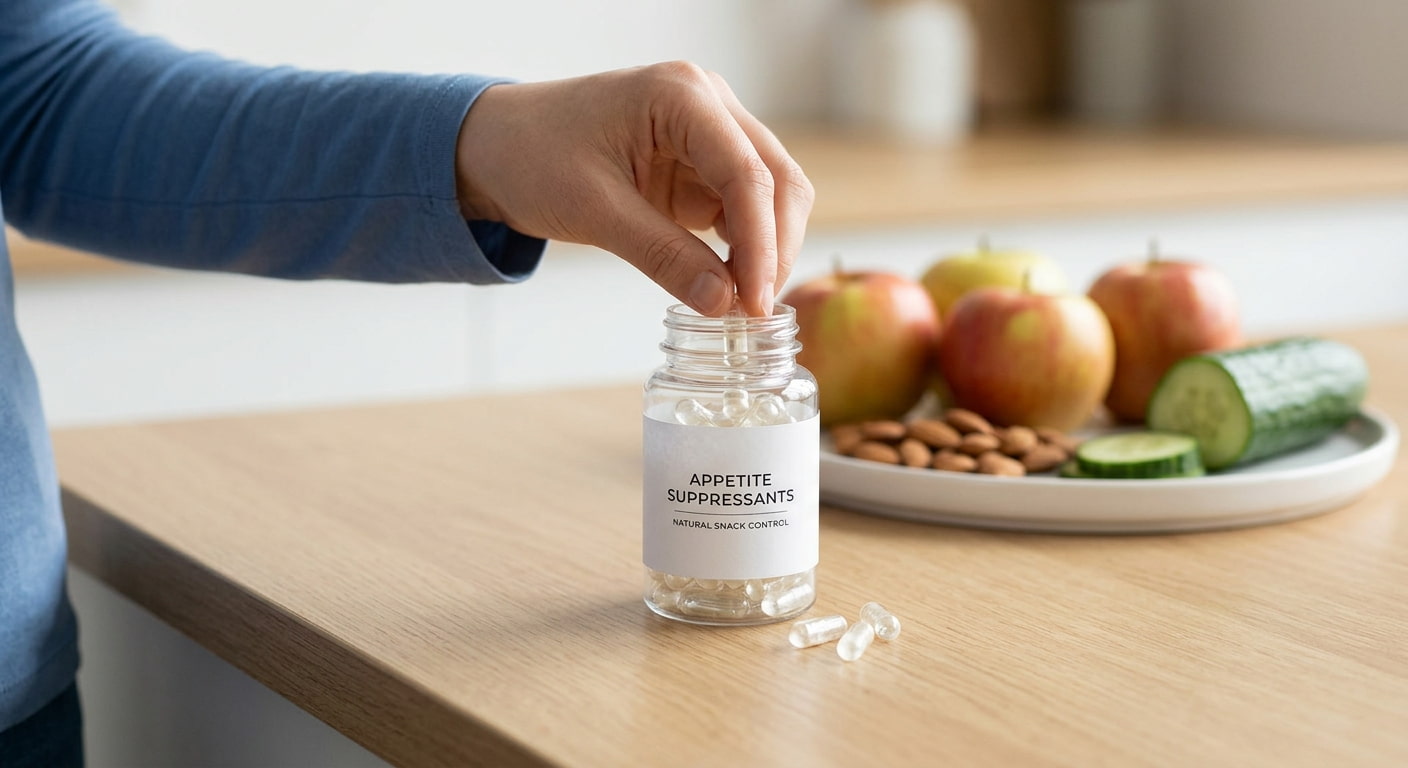
When hunger and cravings derail your progress, appetite suppressants can help you take back control. Revibe’s providers prescribe clinically proven medication options to aid in curbing your appetite and boosting metabolism as part of a complete, medically guided weight-loss plan. Our clinically-guided weight loss programs offer safe, monitored, and tailored care since 2011.
symptoms
Do You Recognize the Signs?
Constant hunger & strong food cravings
Snacking or overeating
Difficulty sticking to a diet
Slow metabolism
Repeated weight gains
Low motivation
Learn More
Potential Benefits of Appetite Suppressants for Weight Loss Treatment
Reduced appetite and fewer cravings
Increased metabolism and energy
Easier adherence to a healthy eating plan
Faster progress toward weight goals
Medically supervised, safe dosing
Part of a complete, personalized program
treatment options
Explore Your Treatment
Weight Loss
Phentermine
Compounded phentermine is an appetite suppressant taken as a once-daily oral capsule, prepared for you by a licensed compounding pharmacy. It acts on the central nervous system to reduce hunger, making a reduced-calorie diet easier to sustain. Revibe's providers prescribe it as part of a complete, medically supervised weight-loss plan built around your history and goals.
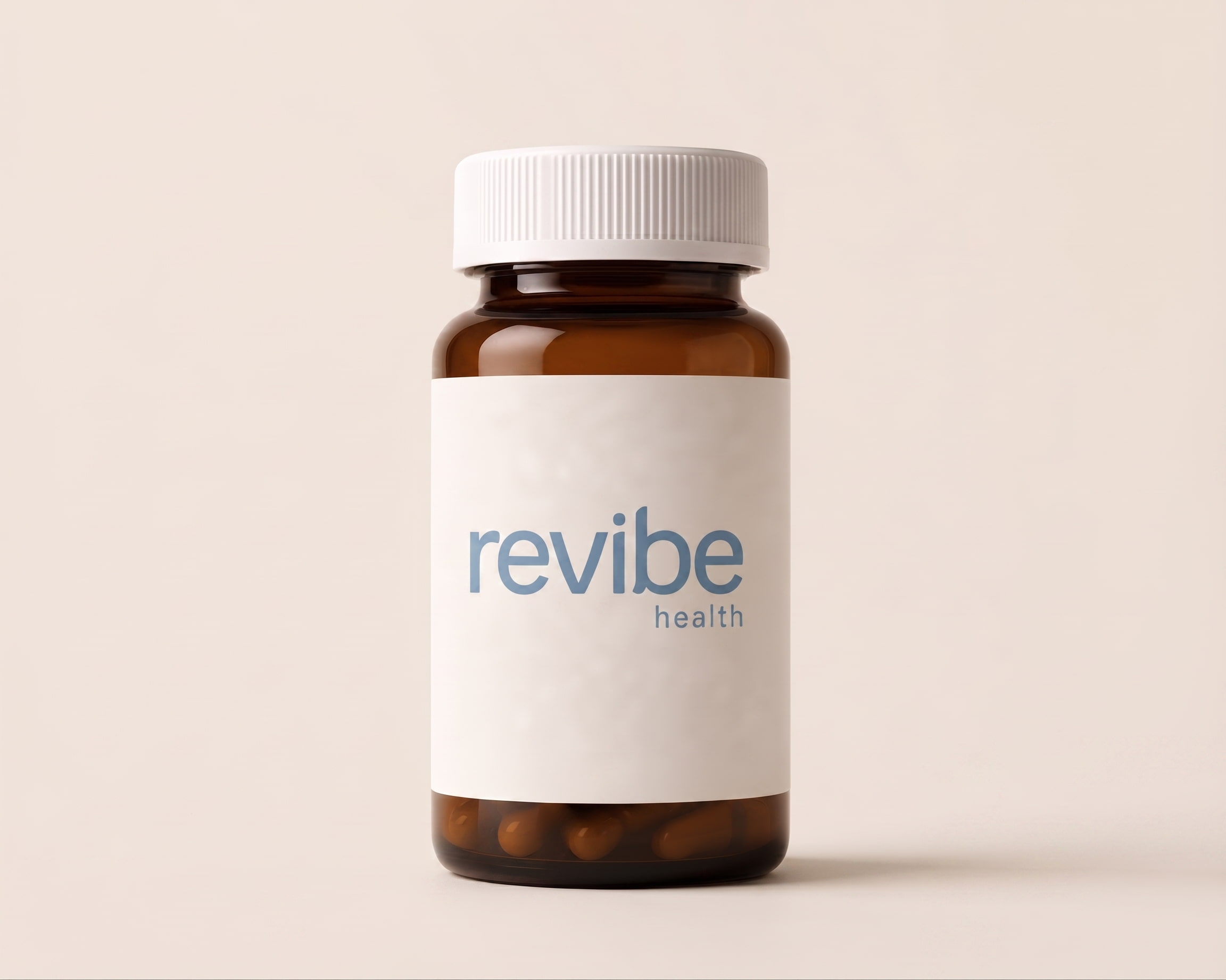
Compounded phentermine is an appetite suppressant taken as a once-daily oral capsule, prepared for you by a licensed compounding pharmacy. It acts on the central nervous system to reduce hunger, making a reduced-calorie diet easier to sustain. Revibe’s providers prescribe it as part of a complete, medically supervised weight-loss plan built around your history and goals.
condition treatments
Treatment Options for Appetite Suppressants for Weight Loss
All treatment plans are prescribed by licensed providers following a comprehensive medical evaluation and diagnostic testing.
-
PhentermineCompounded phentermine is an appetite suppressant taken as a once-daily oral capsule, prepared for you by a licensed compounding pharmacy. It acts on the central nervous system to reduce hunger, making a reduced-calorie diet easier to sustain. Revibe’s providers prescribe it as part of a complete, medically supervised weight-loss plan built around your history and goals.
how it works
Your Path to Feeling Better.

step 01
Book a Consultation
step 02
Diagnostics First

testosterone
0.20
LOW
ng/dl
000 ng/dl
900 ng/dl

step 03
Your Treatment Plan
step 04
Ongoing Support

energy
this month
+25%
Weight : -12 lbs
Mood: +50%
frequently asked questions
Your Questions, Answered
Treatment Options at Revibe Health
Phentermine is FDA-approved for short-term use labeling describes a few weeks as an adjunct to a weight-reduction regimen and its effect tends to diminish over time as tolerance develops. Longer or repeated courses may be prescribed, but your Revibe provider will determine if you would benefit from this type of program with continued monitoring.
This is a Revibe provider decision based on your health condition and your personalized treatment plan. The two classes work differently and are sometimes used sequentially or together in supervised programs, but there is limited trial evidence for the combination and both can affect blood pressure, heart rate, and hydration. Your Revibe provider will tell you whether it is appropriate for you and what monitoring it requires.
Blood pressure and heart rate are checked because of phentermine’s stimulant effect, along with weight and progress tracking, side-effect review, and lab work where clinically indicated. Pregnancy testing is part of monitoring for anyone of childbearing potential taking a topiramate-containing formulation. Follow-up intervals are set by your provider.
Understanding Appetite Suppressants
Appetite suppressants are prescription medications that reduce hunger signaling so it is easier to eat less without constant willpower. They are prescribed as one component of a medically supervised weight-loss program alongside nutrition and activity changes not as a treatment on their own. At Revibe they are one option among several in our weight loss and weight management treatment programs.
Phentermine is a sympathomimetic amine. It stimulates the release of norepinephrine in the brain, which suppresses appetite. It has been in clinical use for decades and is the most widely prescribed appetite-suppressing medication in the United States. It is FDA-approved as a short-term adjunct to diet and exercise for weight reduction.
They work through different mechanisms and on different timelines. GLP-1 medications mimic a gut hormone, slow stomach emptying, and are given as a weekly injection intended for long-term use. Phentermine acts on brain neurotransmitters, is taken as a daily oral capsule, and is approved for short-term use. Cost, tolerability, and your health history all factor into which is a better fit your Revibe provider works through the comparison with you.
The two act on different pathways phentermine on appetite, topiramate on satiety and food reward so combining them addresses hunger from more than one angle and allows lower doses of each.
Naltrexone acts on the brain’s reward pathways and is used in combination weight-loss formulations to target craving as distinct from hunger.
A compounded medication is prepared by a licensed compounding pharmacy for an individual patient rather than manufactured as an FDA-approved product. Compounded medications are not FDA-approved, are not reviewed by the FDA for safety, effectiveness, or quality, and FDA-approved alternatives are available. Ask your Revibe provider any questions you have about your treatment program or recommended medication to determine if a compounded medication is right for you.
Yes. Phentermine is classified as a Schedule IV controlled substance in the United States because of its stimulant properties and potential for misuse. This affects how it can be prescribed, refilled, and importantly for telemedicine patients, and whether it can be prescribed without an in-person visit in your state. See your local Revibe Health clinical team with any treatment questions, as every state has unique laws and requirements for controlled substance medications.
Safety and Side Effects
Phentermine commonly causes increased heart rate, elevated blood pressure, insomnia, dry mouth, constipation, restlessness, and irritability. Topiramate can cause tingling in the hands and feet, altered taste, difficulty finding words or concentrating, drowsiness, and an increased risk of kidney stones. Naltrexone can cause nausea, headache, and dizziness.
They are generally avoided with cardiovascular disease, uncontrolled high blood pressure, overactive thyroid, glaucoma, a history of substance use disorder, agitated states, or use of an MAOI antidepressant. Two points require particular attention: topiramate is associated with an increased risk of oral clefts if taken during pregnancy, so effective contraception and pregnancy testing are essential for anyone who could become pregnant; and naltrexone must not be taken by anyone using opioid medication. Give your Revibe Health provider a complete history during your consultation.
Learn More
Other Treatments Worth Exploring



from the blog
Read More on This Topic
-
Learn Why Common Weight Loss Programs Fail MenJanuary 21, 2026
-
Learn About The Sleep-Strength-Weight Loss ConnectionSeptember 24, 2025
-
Often Overlooked Benefits of Weight LossJanuary 15, 2025



No results found.
EXPLORE
Recommended Blogs
-
What to Expect After Booking an Appointment at Revibe HealthJanuary 22, 2025
-
Mindful Eating this Holiday Season –Tips to Help You Enjoy The SeasonDecember 15, 2021
-
Movember: What Is It and Why It MattersNovember 13, 2024
-
Holiday Health for Men | Heart & Hormone Survival GuideDecember 11, 2025
-
Self Care Tips to Give You the Boost You NeedOctober 16, 2021