

All Genders
Intermittent Fasting
Weight loss is complicated, and sometimes you just need a kickstart to get going. ProLon FMD is a 5-day fasting-mimicking diet: you eat real food while your body enters its deepest fasting state. Backed by 20+ years of research, the program helps delivers weight loss, lean mass preservation, and cellular rejuvenation. Revibe offers this structured, science-based fasting program to aid in your weight loss or maintenance journey.

symptoms
Do You Recognize the Signs?
Sluggish metabolism
Low energy and crashes
Interest in longevity
Difficulty fasting on own
Elevated blood sugar
Inflammation issues
Learn More
Potential Benefits of Intermittent Fasting Treatment
Support for healthy aging and longevity
Improved metabolic health and weight
Cellular renewal (autophagy) benefits
Structured, doable fasting without guesswork
Steadier energy and mental clarity
Provider guidance every step of the way
treatment options
Explore Your Treatment
Longevity
ProLon Fasting-Mimicking Diet
Weight loss is complicated. ProLon is a 5-day fasting-mimicking diet that gives your body the benefits of a fast, cellular renewal, fat loss, and metabolic reset while you still eat. ProLon is designed to unlock the deepest level of fasting over a 5-day period, yielding profound benefits like weight loss, lean mass preservation, and cellular rejuvenation. ProLon: The fasting plan that lets you eat!
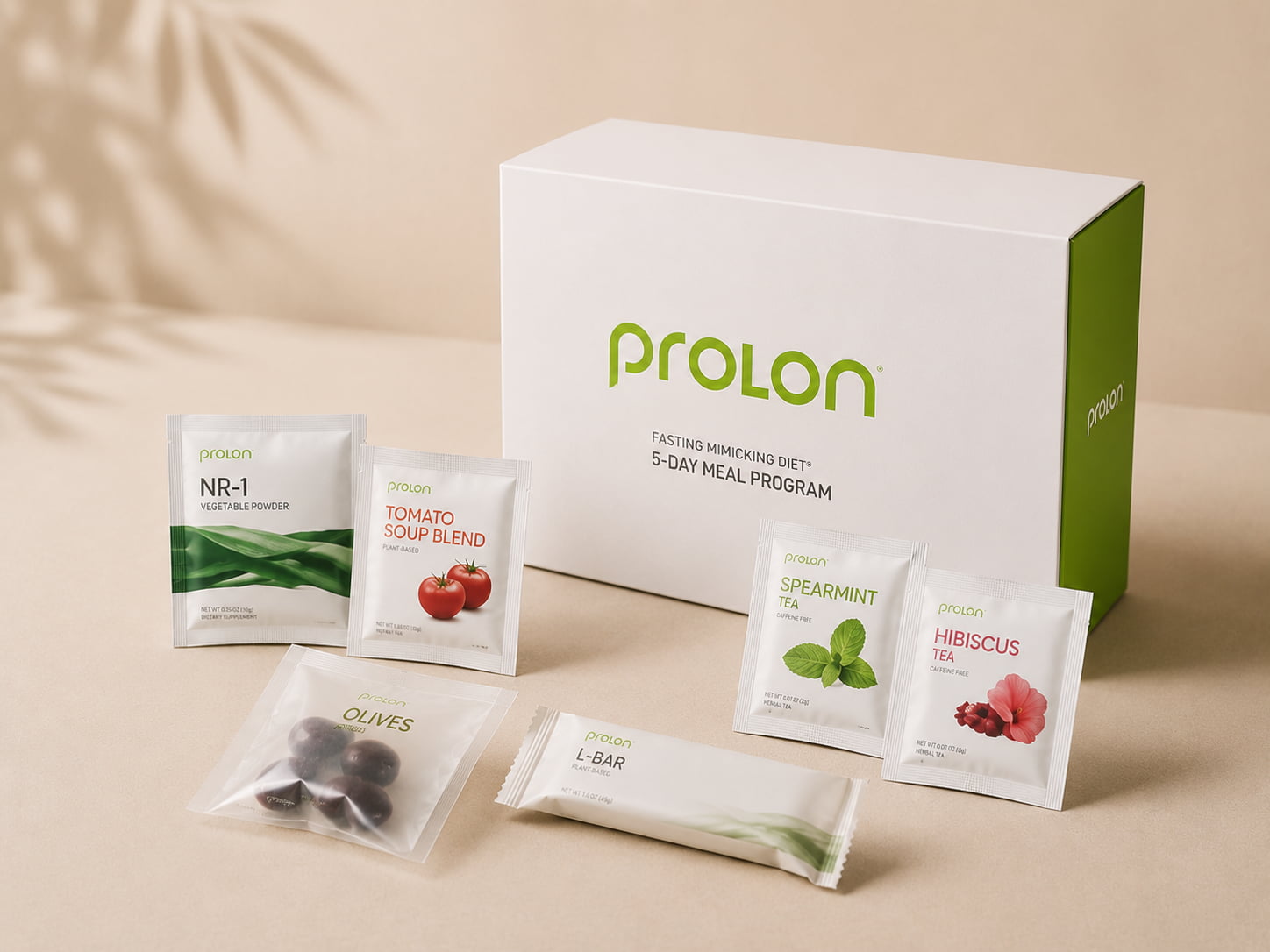
Weight loss is complicated. ProLon is a 5-day fasting-mimicking diet that gives your body the benefits of a fast, cellular renewal, fat loss, and metabolic reset while you still eat. ProLon is designed to unlock the deepest level of fasting over a 5-day period, yielding profound benefits like weight loss, lean mass preservation, and cellular rejuvenation. ProLon: The fasting plan that lets you eat!
condition treatments
Treatment Options for Intermittent Fasting
All treatment plans are prescribed by licensed providers following a comprehensive medical evaluation and diagnostic testing.
-
ProLon Fasting-Mimicking DietWeight loss is complicated. ProLon is a 5-day fasting-mimicking diet that gives your body the benefits of a fast, cellular renewal, fat loss, and metabolic reset while you still eat. ProLon is designed to unlock the deepest level of fasting over a 5-day period, yielding profound benefits like weight loss, lean mass preservation, and cellular rejuvenation. ProLon: The fasting plan that lets you eat!
how it works
Your Path to Feeling Better.

step 01
Book a Consultation
step 02
Diagnostics First

testosterone
0.20
LOW
ng/dl
000 ng/dl
900 ng/dl

step 03
Your Treatment Plan
step 04
Ongoing Support

energy
this month
+25%
Weight : -12 lbs
Mood: +50%
frequently asked questions
Your Questions, Answered
Treatment Options at Revibe Health
This requires Revibe Health provider approval before you start. Both medication classes already reduce food intake substantially, and combining them with a fasting protocol raises the risk of dehydration, excessive lean-mass loss, and for anyone on glucose-lowering medication low blood sugar. It is not automatically unsafe, but it is not a decision to make on your own.
Your Revibe Health team will offer you a contact at the clinic to contact if you need to speak to the clinical team or your provider to ensure you have support during your intermittent fasting program.
No, and it should not be presented as one. A fasting program is a periodic metabolic intervention; medical weight loss is an ongoing, monitored treatment plan. For some patients a fasting protocol is a useful complement to that plan or a starting point; for others, medication is the appropriate treatment. Your provider will tell you which situation applies to you.
Light activity such as walking is generally reasonable; intense training is not, given the reduced caloric intake and the risk of lightheadedness. Most people do better keeping the five days low in physical demand and resuming normal training afterward. Follow the guidance your provider gives you for your specific situation.
Understanding Intermittent Fasting & FMD
Intermittent fasting is an umbrella term for eating patterns that alternate periods of eating with longer periods of little or no food, rather than restricting particular foods. Common approaches include limiting eating to a set window each day or reducing intake substantially on certain days. The research interest centers on the metabolic changes that occur during the fasting period itself, not only on calorie reduction.
A fasting-mimicking diet is a structured five-day program of specific low-calorie, low-protein, low-sugar foods designed to produce some of the metabolic effects of fasting while you continue eating. ProLon FMD is the commercially available program in this category marketed as “the fasting plan that lets you eat” supplying precise nutrition intended not to activate the body’s food-sensing pathways.
The practical difference is adherence and safety. Water fasting means no food at all, which is difficult to sustain and carries more risk without supervision. Daily intermittent fasting shortens your eating window but does not produce a prolonged fasting state. The fasting-mimicking approach is a defined five-day protocol with food provided, which is why it tends to be completed rather than abandoned.
The most frequently cited work is a randomized trial published in Science Translational Medicine in 2017, in which participants completing three monthly cycles of a fasting-mimicking diet showed reductions in body weight, trunk fat, blood pressure, IGF-1, and several markers associated with cardiometabolic risk. The broader literature on intermittent fasting, including a 2019 review in the New England Journal of Medicine, describes plausible metabolic mechanisms while noting that long-term outcome data in humans remains limited.
ProLon FMD cites over twenty years of research including work funded by the National Institutes of Health. describes weight loss, preservation of lean mass, and cellular renewal. Revibe has not independently verified these claims. What can be stated without qualification is that a structured five-day protocol reduces caloric intake substantially and that participants in published trials lost weight.
Published research protocols have used monthly cycles for an initial period followed by less frequent maintenance cycles, but your Revibe Health provider will determine the cadence of your program, and where it fits in your overall health program.
Most people find the first two days the hardest. Hunger, fatigue, headache, and difficulty concentrating are commonly reported early and typically ease as the body adjusts. Planning a lighter week avoiding heavy training, major deadlines, or social events centered on food makes completion substantially more likely. Tell your Revibe provider if you feel dizzy, unwell, or unable to continue.
Safety and Side Effects
Fasting protocols are not appropriate during pregnancy or breastfeeding, for anyone under 18, for anyone with a current or past eating disorder, for anyone underweight or frail, or for people with certain medical conditions. They require particular caution and provider supervision for anyone taking insulin or other glucose-lowering medication, because the risk of hypoglycemia is real. Recent surgery, significant liver or kidney disease, and several medications also warrant review. This is why the ProLon FMD program is provider-directed rather than a do-it-yourself program.
Learn More
Other Treatments Worth Exploring

from the blog
Read More on This Topic
-
Men’s Health Management: How to Eat Better After 40August 29, 2024
-
5 Benefits of Ginger for Men’s VitalityAugust 29, 2024
-
Natural Ways to Boost Your Immune SystemSeptember 14, 2020



No results found.
EXPLORE
Recommended Blogs
-
Movember: What Is It and Why It MattersNovember 13, 2024
-
What to Expect After Booking an Appointment at Revibe HealthJanuary 22, 2025
-
How to Spend Leftover FSA and HSA FundsDecember 8, 2020
-
Why You Shouldn’t Self-Diagnose Health IssuesJanuary 8, 2025
-
You Can Turn Dreams into Better HealthOctober 28, 2021
-
Why November Is the Time to Take Charge of Your HealthNovember 4, 2025