How Seasonal Changes Affect Women’s Hormones and Energy
•
•

When the Seasons Change, So Does Your Body
As the days grow shorter and sunlight becomes scarce, many women notice subtle changes in energy, mood, sleep, and even menstrual patterns. These shifts aren’t imagined – science shows that our bodies respond to daylight, temperature, and vitamin D levels, all of which influence hormone regulation and metabolism*.
At Revibe Health, we help women understand how seasonal changes impact hormonal balance – and how to stay aligned year-round through personalized testing, nutrition, and lifestyle strategies.
The Testosterone Dip in Fall and Winter
When sunlight decreases, your body produces more melatonin (the sleep hormone) and less serotonin (the “feel-good” neurotransmitter). This combination can lead to sluggishness, irritability, or lower motivation – especially during late fall and winter months (NIH, 2023).*
Reduced light exposure also means less vitamin D, a nutrient essential for hormonal and thyroid function. In women, low vitamin D has been linked to fatigue, mood changes, and menstrual irregularity (Harvard Health, 2024; Mayo Clinic, 2023).*
How Hormones Respond to Seasonal Changes
Research suggests that some female hormones fluctuate modestly with the seasons. Large-scale data indicate small but consistent changes across endocrine systems, including reproductive and thyroid hormones, likely influenced by sunlight and circadian rhythm (Tendler et al., 2021).*
A 2023 study of more than 17,000 women also found seasonal variation in menstrual cycle length, suggesting that light exposure and lifestyle changes may subtly affect hormonal rhythm (Li et al., 2023).*
You may notice:
- Fatigue or mid-day crashes
- Appetite or craving changes
- Mood swings or PMS intensification
- Disrupted sleep
What You Can Do to Stay Balanced
Small, consistent steps can help counteract these natural seasonal shifts:
- Get your labs checked.
Understanding your hormone levels gives you a clear roadmap to feeling balanced.
(For a limited time get your $400 Comprehensive Wellness Panel checked for just $99 or FREE with program start through Nov. 30.*) - Seek sunlight daily.
Aim for at least 20 minutes of morning or midday light exposure to boost serotonin and support your internal rhythm. If the skies are grey and you’re stuck inside – consider a light lamp during daytime hours. This will mimic natural sunlight, helping to regulate the body’s internal clock (circadian rhythm) and improve mood, energy, and focus. - Move with purpose.
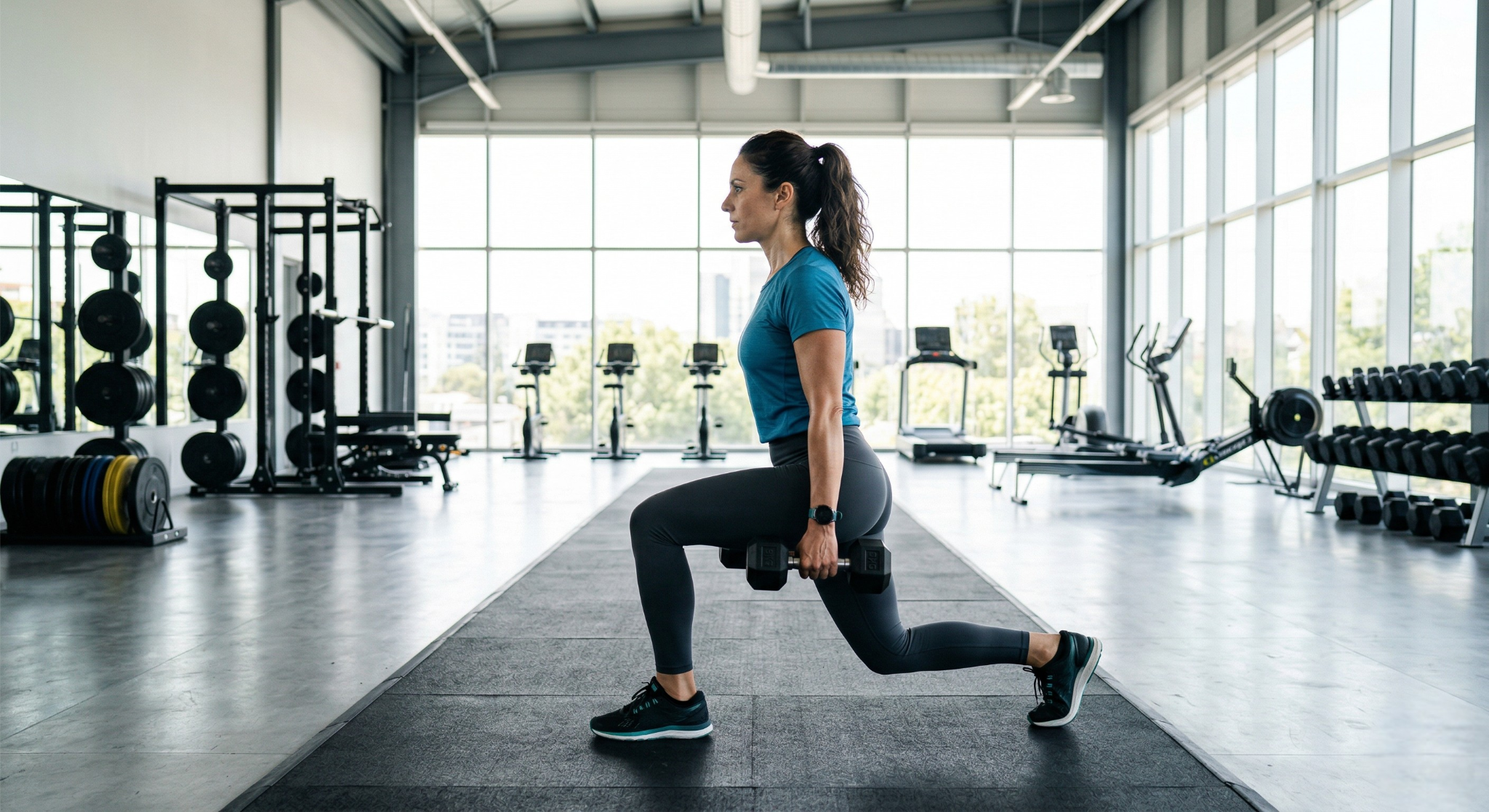
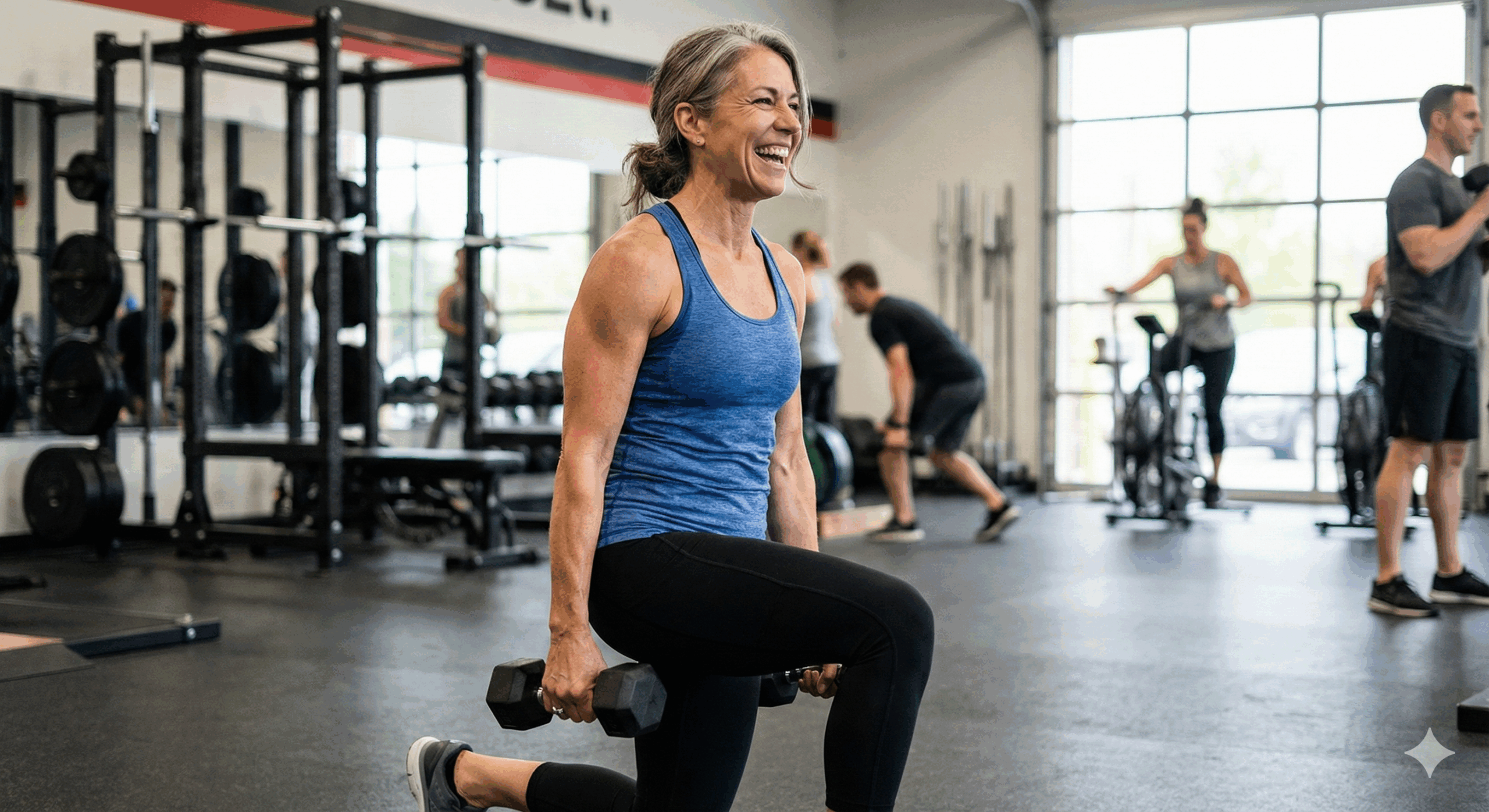
Gentle strength or mobility work boosts energy, mood, and metabolism. - Support your sleep.
Wind down with consistent bedtimes, screen-free evenings, and cooler room temps for better hormone recovery.
The Revibe Approach
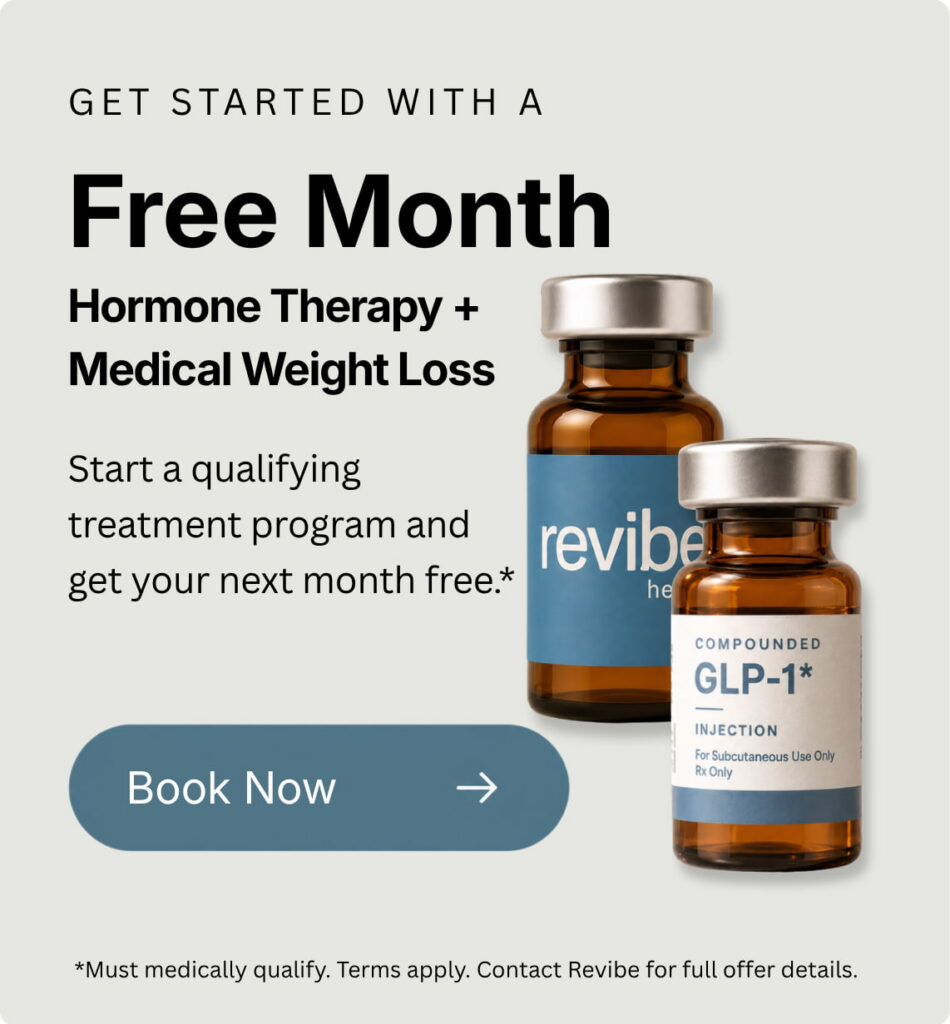
At Revibe Health, we take a holistic approach – combining lab testing, nutrition, and medical insight to help women feel balanced through every season.
Your hormones may shift, but with the right care, your energy and confidence don’t have to.
Take Charge Before Winter Hits
Book your Comprehensive Wellness Panel* today and discover what your body needs to stay balanced this season.
For a limited time only, this panel (a $400 value) is only $99 or FREE with program start through November 30.
👉 Schedule Now → Book Appointment
Sources
Harvard Health Publishing. (2024). Vitamin D and Hormone Health: The Sunshine Connection. https://www.health.harvard.edu
Li, A. et al. (2023). Seasonal Variations of Menstrual Cycle Length in a Large US-Based Digital Cohort. BMC Women’s Health, 23, Article 10872302. https://www.ncbi.nlm.nih.gov/pmc/articles/PMC10872302/
Mayo Clinic. (2023). Hormonal Imbalance in Women: Symptoms and Causes. https://www.mayoclinic.org
National Institutes of Health (NIH). (2023). Seasonal Affective Disorder and Circadian Rhythm Disruption. https://www.nih.gov
Tendler, A., et al. (2021). Hormone Seasonality in Medical Records Suggests Circannual Human Endocrine Variation.Proceedings of the National Academy of Sciences (PNAS). https://www.ncbi.nlm.nih.gov/pmc/articles/PMC7896322/
World Health Organization (WHO). (2023). Women’s Health and Well-Being: Fact Sheet. https://www.who.int/news-room/fact-sheets
*Medical eligibility required. Terms apply. Contact us for more information
Keep Reading.
-
Why Healthy Women May Need as Much Testosterone as EstrogenApril 10, 2026
-
A Modern Woman’s Guide to Hormones, Health & Weight ChangesFebruary 25, 2026
-
Testosterone Therapy and Heart Risk: Important Facts Men Should KnowFebruary 9, 2026
-
How Testosterone Supports Energy and MetabolismJanuary 8, 2026
-
Holiday Wellness: Keep Your Heart and Hormones in BalanceDecember 11, 2025